

Prescription medicines are like powerful superheroes. They can save lives, fight infections, and help you recover when your body is under attack. But here’s the catch: if you don’t use them properly, they can turn into villains faster than a Nairobi matatu overlapping in traffic.
Following your doctor’s instructions is not just a suggestion, it’s the difference between getting better and starring in your own unnecessary medical drama. Let’s break it down in a way that’s simple, funny, and still serious enough to keep you healthy.
1. Dosage Matters – More is Not Better
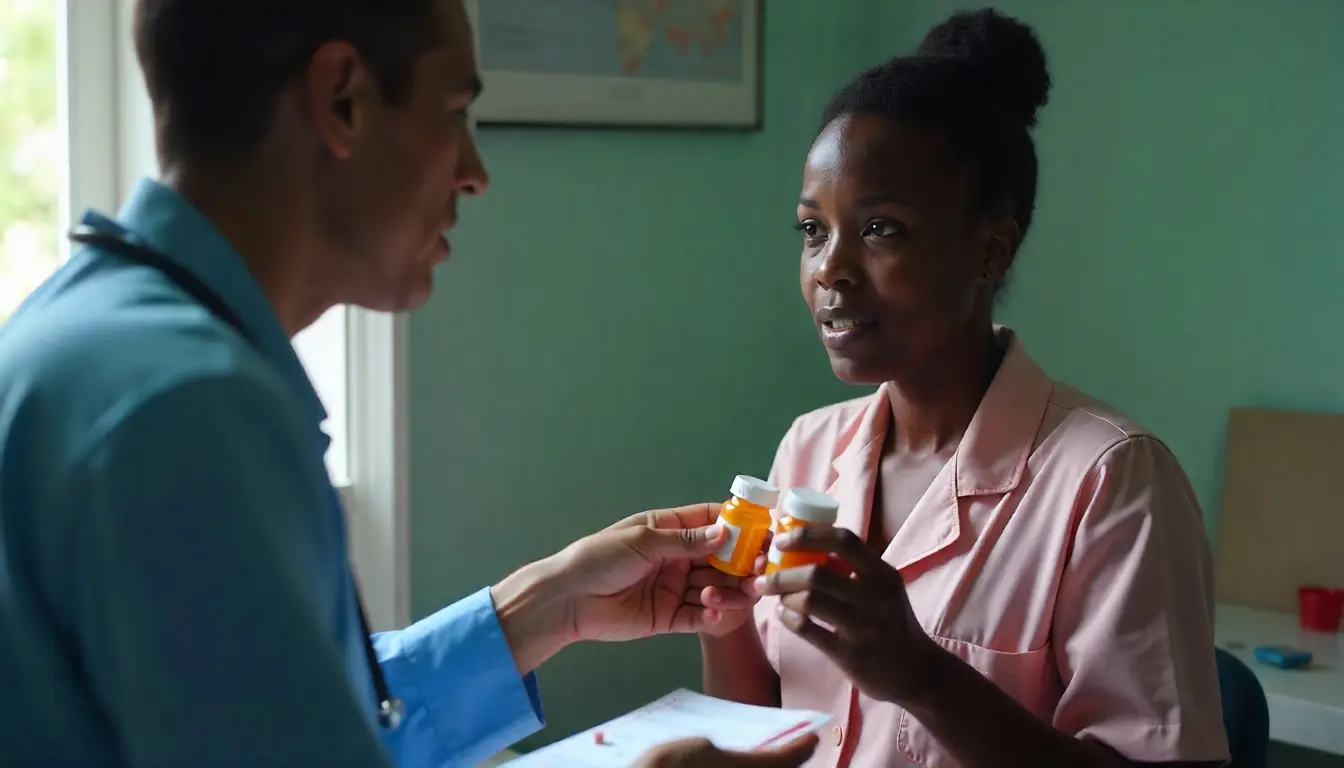
Some people think taking double the dose will make them heal faster. That’s like thinking drinking tea cups of tea at once will give you ten times more energy. Spoiler: it will just give you ten trips to the toilet.
Why It’s Important:
- Medicines are carefully measured to work at the right dose.
- Too little, and it won’t work. Too much, and it could harm you.
2. Timing is Everything

If your doctor says “take this medicine three times a day,” they don’t mean take all three pills at 9 am and hope for the best. Timing helps the medicine stay in your body at the right level to fight the illness.
Tip:
- Set reminders on your phone. Because let’s be honest, you’re more likely to remember a football match time than your 2 pm antibiotic dose.
3. Don’t Stop Just Because You Feel Better
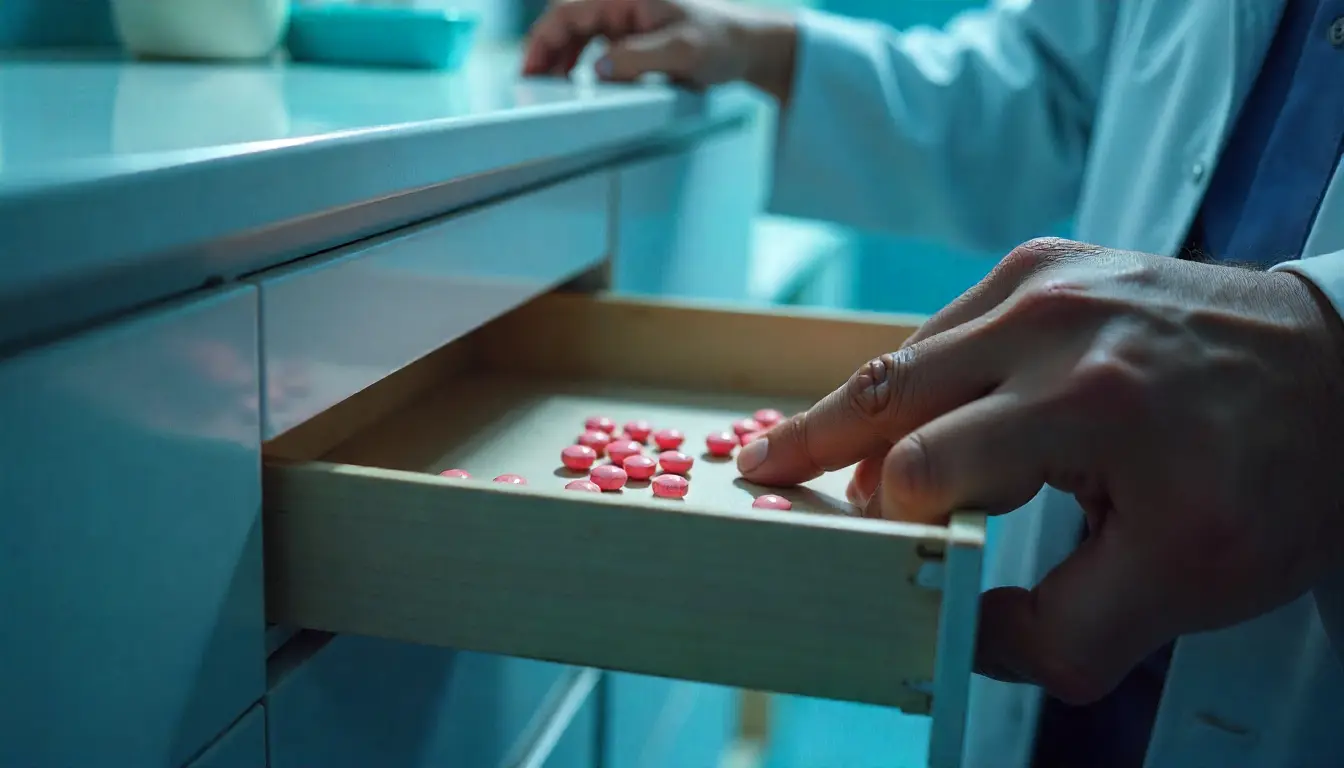
This is the classic Kenyan move. You take antibiotics for two days, feel slightly better, then keep the rest “for future use.” Next time you get sick, you play pharmacist with half-used packs from your drawer.
Why It’s Important:
- Stopping early can make germs stronger and harder to kill.
- Leftover pills are not souvenirs, they’re a health hazard.
4. Avoid Mixing Medicines with Random Drinks

Yes, swallowing medicine with soda, energy drinks, or even worse, alcohol, is not a good idea. Water is always the best option.
Why It’s Important:
- Some drinks stop the medicine from working.
- Others can cause dangerous side effects.
- And no, chasing antibiotics with whiskey does not make you “hardcore.”
5. Always Ask Questions

Doctors and pharmacists are there to help. If you don’t understand something, ask. It’s better to ask “Can I take this on an empty stomach?” than to spend the night regretting your life choices.
Final Word
Prescription medicines are powerful tools, but only when used correctly. Following your doctor’s instructions is not about being bossed around, it’s about getting better faster and safer.
So, the next time you’re tempted to stop your antibiotics early, take an extra dose for “good luck,” or wash down your pills with soda, remember this guide. Because the goal is to heal, not to audition for the next episode of “Things I Shouldn’t Have Done With Medicine.”