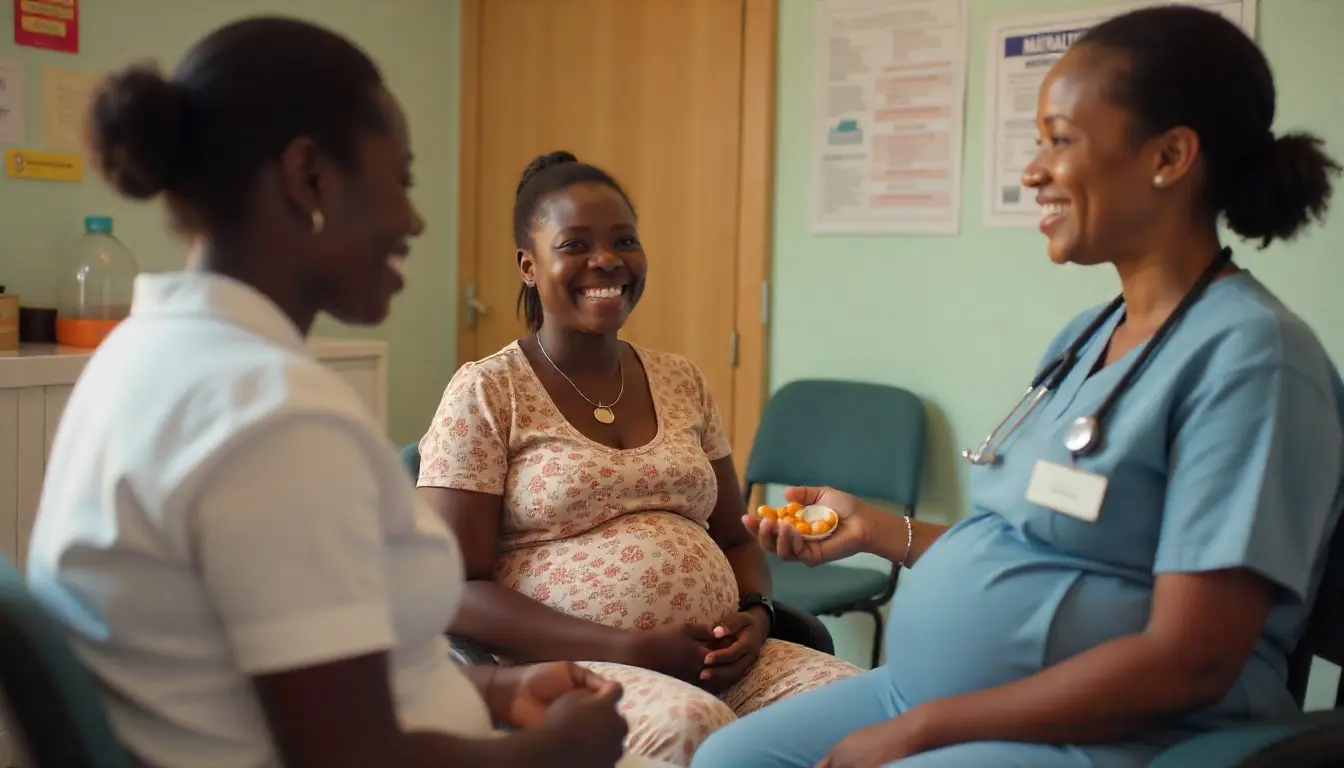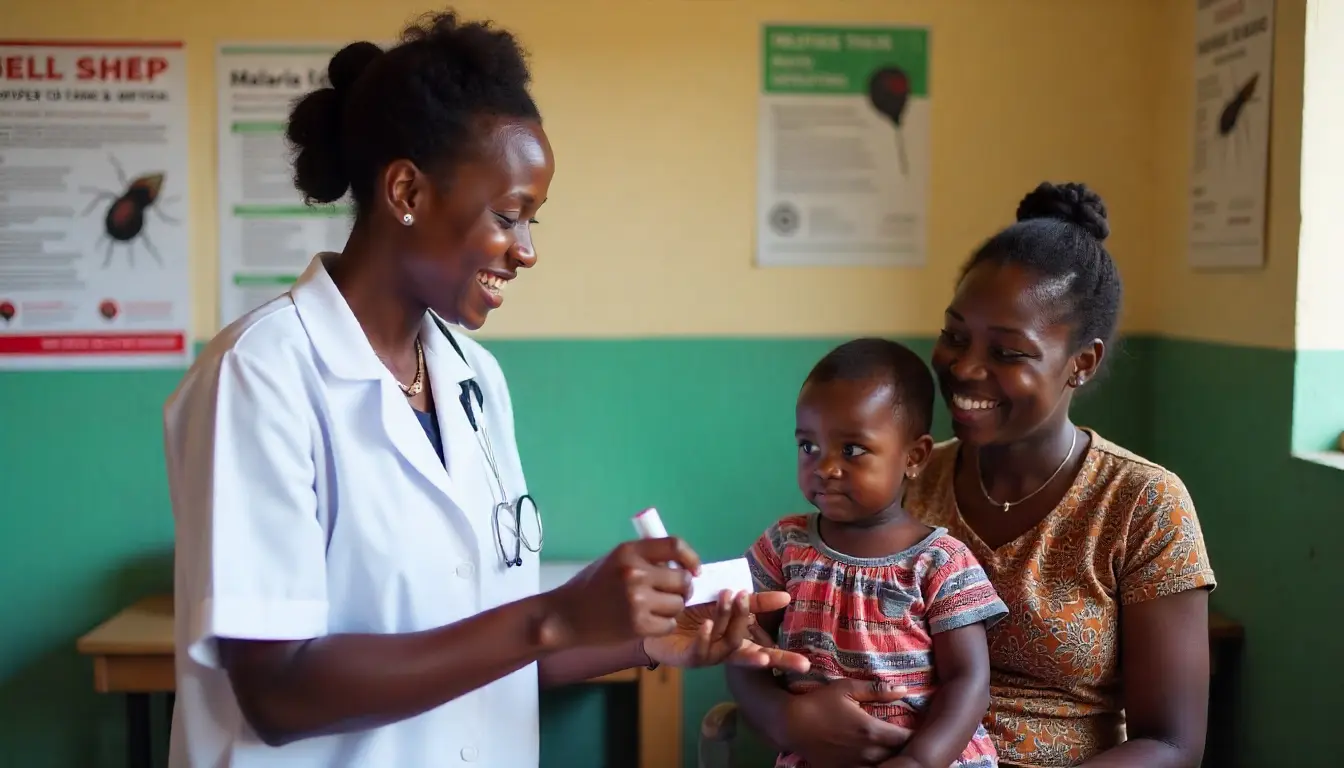

For years, the National Health Insurance Fund (NHIF) was the cornerstone of health coverage in Kenya. But a new era is here. The introduction of the Social Health Insurance Fund (SHIF) is a massive, mandatory overhaul designed to bring Universal Health Coverage (UHC) closer to reality for every Kenyan household.
What does this mean for you, your family, and, crucially, your access to affordable medicine in Kenya? This is your definitive guide to understanding the SHIF shift and how it’s changing the game for pharmaceutical access across the country.
From NHIF to SHIF: Why the Big Change?
The transition from the old NHIF to the new SHIF, managed by the Social Health Authority (SHA), is driven by a simple yet powerful goal: equity.
The NHIF model often favored those in formal employment and offered fixed contribution rates that were less fair to low-income earners. The new system aims to address these core issues and expand coverage to everyone, including those in the informal sector.
Key Differences You Need to Know
|
Feature |
NHIF (Old System) |
SHIF (New System) |
|
Membership |
Primarily formal sector; voluntary for informal sector. |
Mandatory for every Kenyan resident and household. |
|
Contribution |
Fixed salary bands (max KES 1,700). |
Income-based: 2.75% of gross income (minimum KES 300). |
|
Benefits Focus |
Mainly inpatient care. |
Comprehensive: Inpatient, outpatient, preventive, and chronic care. |
|
Catastrophic Cover |
Limited chronic support. |
Dedicated Emergency, Chronic and Critical Illness Fund (ECCIF). |
SEO Tip: The focus on income-based contributions makes healthcare financing more progressive and equitable.
SHIF’s Impact on Your Medication Access
The most significant win for the average Kenyan citizen under SHIF is the expanded scope of medical benefits, directly affecting how you get your essential drugs.
1. Comprehensive Outpatient Drug Coverage
Under the old system, basic primary care, which includes most minor illnesses and routine medication refills, often required cash payments. SHIF’s comprehensive package explicitly includes outpatient services, ensuring that you can receive drugs, lab tests, and follow-up care for common conditions without out-of-pocket costs at accredited facilities. This is a game-changer for regular visits and maintenance medication.
2. A Dedicated Lifeline for Chronic Illnesses
The introduction of the Emergency, Chronic and Critical Illness Fund (ECCIF) is a crucial safety net. For patients managing long-term conditions like diabetes or hypertension in Kenya, the cost of specialized drugs and diagnostics is often catastrophic.
- How it helps: The ECCIF is designed to cover the costs of managing chronic or critical illnesses after you have used up the benefits in the main SHIF fund. This means a sustained supply of high-cost, essential medication is now protected, drastically lowering the risk of treatment interruption due to financial strain.
3. Boosting the Pharmaceutical Supply Chain
For SHIF to work, the Social Health Authority (SHA) must ensure a consistent supply of quality medication across the entire provider network. This means the SHA acts as a massive purchaser of drugs, which can potentially:
- Improve Availability: By centralizing procurement, the SHA can place large orders for essential drugs, encouraging pharmaceutical distributor Kenya firms to maintain high stock levels and potentially negotiating lower prices.
- Enhance Quality Control: A streamlined supply chain, relying on accredited suppliers and manufacturers, is critical to combating the issue of substandard or counterfeit drugs.
Action Points: Your SHIF Checklist ✅
To unlock these expanded benefits and ensure continuous access to your necessary medication, you must comply with the new registration requirements:
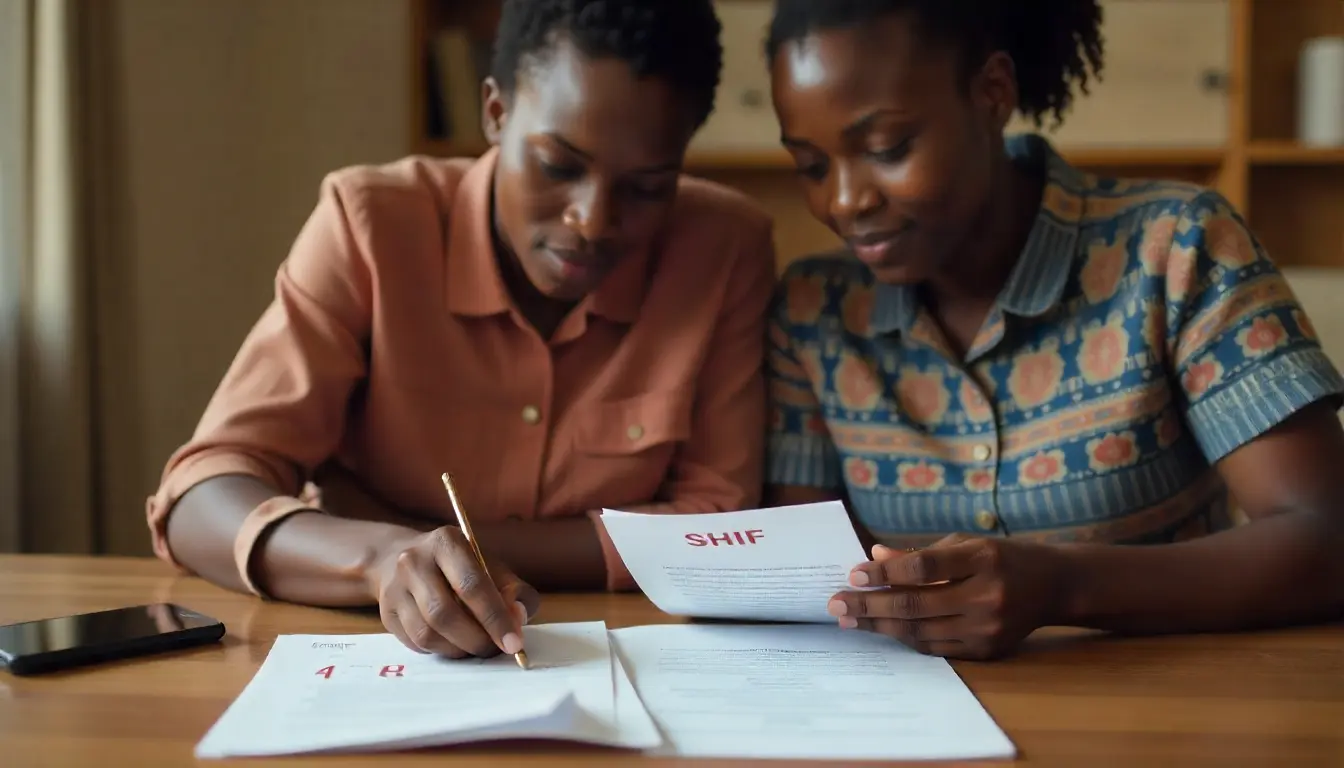
- Mandatory Registration: Every Kenyan citizen and resident must register with the Social Health Authority (SHA) as a household. You can often complete this process online or via USSD code.
- Understand Your Contribution: If you are formally employed, your employer is required to deduct 2.75% of your gross salary and remit it. If you are in the informal sector, your household income will be assessed for contribution.
- Find Your Accredited Provider: You will need to know which healthcare facilities are SHA-accredited. Ensure your local health center, pharmacy, or hospital accepts SHIF for the full range of covered services, including outpatient prescriptions.
The Road Ahead: Challenges and Hope
While SHIF is a transformative step towards Universal Health Coverage in Kenya, the transition hasn't been without friction. Reports have highlighted initial challenges, including:
- Payment Delays: Some healthcare providers have faced delays in receiving reimbursements from the SHA, which can lead to temporary shortages of essential medicines at the hospital level.
- Public Confusion: As with any major systemic change, understanding the new contribution rates, benefit packages, and registration process can be confusing for the public.
However, the foundation of SHIF promises a stronger, more resilient healthcare system. By legally mandating coverage for all and creating a specific fund for catastrophic illnesses, Kenya is building a framework where financial barriers are less likely to stand between a patient and the medication they need to survive and thrive.

Stay informed, register your household, and partner with your local pharmacist to navigate this exciting new chapter in Kenyan healthcare!