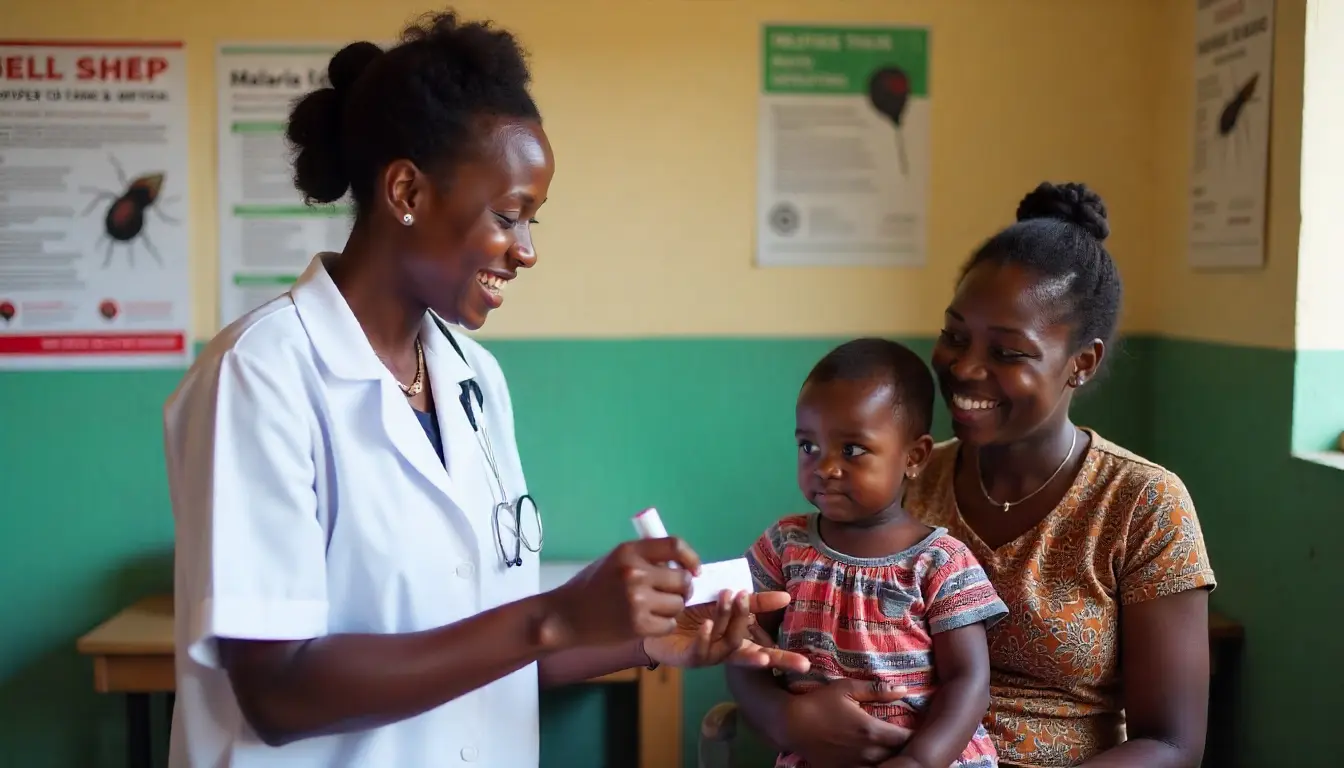

Hey Kenya! Chronic conditions like Diabetes and Hypertension (High Blood Pressure) aren't just medical terms; they're a reality for many of us. But here's the good news: managing them well puts the power back in your hands.
This isn't just about pills and prescriptions. This is your practical, no-nonsense guide to partnering with your pharmacist and making smart choices, so you can live a full, energetic life right here in Kenya. Let's dive in!
The Double Threat: Why Diabetes and Hypertension are a Big Deal
Did you know these two conditions often walk hand-in-hand? They are among the most common Non-Communicable Diseases (NCDs) in Kenya and globally. Think of them as two sides of the same coin:
|
Condition |
What it is |
Why it matters in Kenya |
|
Diabetes (Sukari) |
High blood sugar (glucose) due to the body not making or using insulin properly. |
Numbers are rising rapidly, especially with changing diets and lifestyles. Untreated, it can lead to kidney failure, blindness, and amputations. |
|
Hypertension (High Blood Pressure) |
Long-term force of blood against your artery walls is high enough to cause health problems. |
It's often called the "Silent Killer" because it has few symptoms. It's a leading cause of stroke, heart attack, and kidney disease. |
The key takeaway? Early diagnosis saves lives. Simple, affordable screenings for blood pressure and blood sugar should be a regular part of your health routine.
Your Pharmacist: The Closest Health Ally You Have 🤝
In Kenya, your local community pharmacist is more than just a person who dispenses medicine; they are an accessible, knowledgeable member of your primary healthcare team. You don't need an appointment to talk to them, and their expertise is invaluable for managing your chronic care journey.
💊 The Pharmaceutical Cornerstones of Management

The right medication, taken correctly, is non-negotiable for chronic conditions. Here’s where your pharmacist steps in:
- Medication Adherence is King (Kuwa Consistent!): Skipping your daily hypertension or diabetes pill because you "feel fine" is the single most dangerous mistake you can make. Your pharmacist will help you:
- Understand Your Drugs: What is Metformin for? Why are you taking a specific ACE inhibitor? Ask! Knowing why you take a drug boosts your commitment.
- Manage Complex Regimens (Polypharmacy): Taking multiple drugs for different conditions (like high BP, high sugar, and high cholesterol) can be confusing. Your pharmacist can help simplify your routine, set reminders, and check for any dangerous drug interactions.
- Cost Management: Medication costs can be a significant burden (KES 5,000 to KES 20,000 per month for diabetes, and KES 3,000 to KES 15,000 per month for hypertension management). Talk to them about:
- Generic Options: Are there high-quality, approved generic alternatives that are more affordable?
- Support Groups: Programs like the Ngaira Diabetes/Hypertension Support Welfare Group in Nairobi show how communities are pooling resources to access subsidized drugs.
- Monitoring Tools & Technique: A pharmacist can teach you the correct way to use essential self-management tools:
- Glucometers: How to test your blood sugar accurately and what your target numbers should be.
- Blood Pressure Monitors: How to take your BP at home to get reliable readings for your doctor.
- Vaccinations and Complication Prevention: Chronic conditions weaken your immune system. Your pharmacist will advise you on vital preventative measures, such as the Flu Shot and the Pneumonia Vaccine, to keep you healthy.
Beyond the Bottle: Practical Lifestyle Tweaks That Make Meds Work Harder
Medication is a powerful tool, but it works best when supported by simple, sustainable lifestyle changes. This is where you become the active manager of your health!
🍽️ The Food-as-Medicine Mindset
Food is medicine, but it can also be a challenge, especially with the cost of healthy food in Kenya.
|
The Do's (Jijenge) ✅ |
The Don'ts (Weka Mbali) 🚫 |
Kenyan-Specific Tip! 🇰🇪 |
|
Embrace Whole Grains & Greens: Focus on wholegrain options and load up on traditional vegetables (sukuma wiki, managu, etc.). |
Limit Sugary Foods & Drinks: Cakes, sweets, and sodas are a fast lane to sugar spikes. |
Ugali Power-Up: If you love Ugali, try the healthier version made from millet or sorghum flour (brown flour) instead of pure white maize. They digest slower and are better for your sugar levels! |
|
Control Salt Intake: Cut back on table salt, salty snacks, and seasoning cubes (Aromat, Royco) when cooking. |
Say NO to Solid Cooking Fats: Avoid excessive use of animal fats and solid margarines. |
Go Liquid: Opt for healthier liquid cooking oils (sunflower, olive, canola) over solid fats when you can, as they are better for your heart and BP. |
|
Portion Control: Eat regular, consistent meals and watch your serving sizes. |
Avoid Processed Foods: These are often high in hidden sugars and salt. |
Fresh is Best: Take advantage of Kenya's abundant supply of fresh, affordable fruits (like avocados, bananas, oranges) and vegetables from the market. |
🏃♂️ Move Your Body (Anza Kutembea!)
Exercise doesn't have to mean an expensive gym membership. It's about consistency.
- Walk More: A brisk 30-minute walk most days of the week is a fantastic start. In Nairobi or your local town, can you walk to the next bus stop? Take the stairs?
- Use Your Daily Life: Farm work, active housework, or even dancing to your favorite music count as exercise! Find what works for you and stick to it.
- Monitor: Check your blood sugar before and after exercise to see how it affects your levels, a great way to learn what your body needs.
🧘♀️ Stress Management
Stress is a silent enemy that can raise your BP and throw your blood sugar out of whack.
- Mindfulness & Prayer: Utilize stress-reducing practices like deep breathing, meditation, or finding peace through your faith.
- Seek Support: Join a local support group. Sharing experiences with others facing the same challenges is incredibly powerful and helps reduce the stigma often associated with chronic illness.
Overcoming the Kenyan Hurdles: Access and Affordability
Managing NCDs in Kenya has unique challenges, but local solutions are emerging:
|
The Challenge |
Emerging Kenyan Solution |
|
High Cost of Care |
Community Support Groups: Members pool funds to buy medications in bulk at subsidized prices (e.g., Ngaira Welfare Group). |
|
Travel and Time |
Decentralization of Care: Health programs are working to bring screening and treatment closer to the community level via local clinics and dispensaries. |
|
Drug Supply & Quality |
E-Pharmacy and Mobile Services: Some facilities are using boda boda riders to deliver medication refills to stable patients, saving them a trip to the clinic. |

Your 3-Step Action Plan to Take Control TODAY
Ready to be the hero of your own health story? Start here:
- Talk to Your Pharmacist: Visit your local community pharmacy. Ask them to review all your current medications, check for interactions, and help you find the most affordable, quality version of your prescription. Ask them about your target BP and sugar levels.
- Start Small, Stay Consistent: Don't overhaul your entire life overnight. Choose one dietary change (like less sugar in your tea) and one new activity (like a 15-minute evening walk) and commit to it for a week.
- Document Your Journey: Get a small notebook or use a phone app to track your daily blood pressure, blood sugar readings, and what medications you took. This journal is a powerful tool your doctor and pharmacist will love, as it helps them tailor your treatment perfectly.
Managing diabetes and hypertension is a marathon, not a sprint. By working closely with your healthcare team, especially your accessible and knowledgeable pharmacist, you can absolutely control these conditions and enjoy the vibrant life you deserve. Weka afya yako kwanza! (Put your health first!)