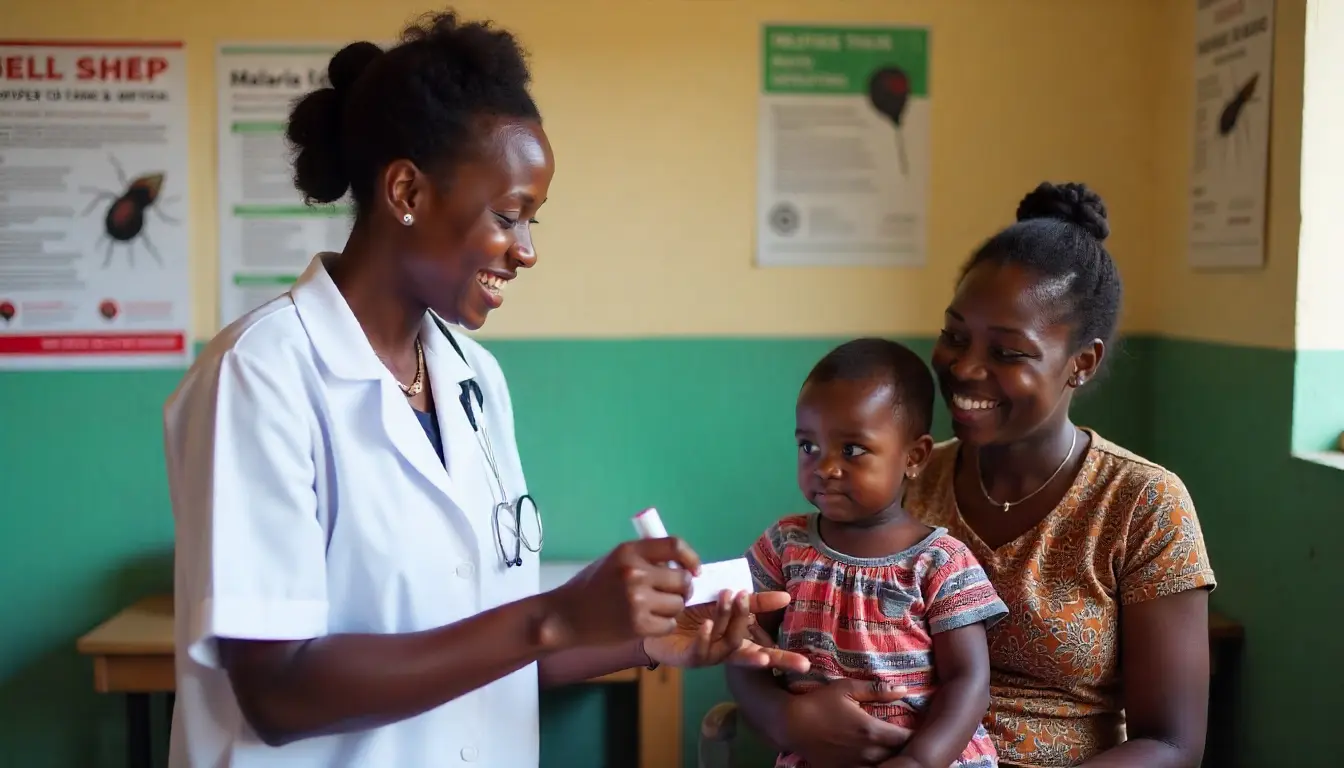

Kenya's malaria control efforts are guided by national policy and align with the latest World Health Organization (WHO) recommendations. The current strategy focuses on prompt diagnosis, effective treatment, and comprehensive prevention measures, including new tools like malaria vaccines.
💊 Malaria Treatment Protocols in Kenya
The core of malaria treatment in Kenya relies on Artemisinin-based Combination Therapies (ACTs), reflecting the need for highly effective drugs against drug-resistant P. falciparum malaria.
- Uncomplicated Malaria:
- First-Line Treatment: The recommended first-line treatment for uncomplicated P. falciparum malaria is Artemether-Lumefantrine (AL).
- Second-Line Treatment: Dihydroartemisinin-Piperaquine (DHA-PPQ) is typically recommended as the second-line treatment, in case of treatment failure with the first-line ACT.
- Severe Malaria:
- Parenteral Artesunate is the definitive first-line treatment for severe malaria in all age groups. This is a medical emergency, and treatment should begin immediately. Parenteral Quinine is an acceptable alternative only if artesunate is unavailable.
Key Protocol: The Kenyan Ministry of Health's guidelines emphasize prompt parasitological confirmation (using microscopy or Rapid Diagnostic Tests - RDTs) for all suspected malaria cases before starting treatment. Treatment based solely on clinical suspicion is reserved for situations where diagnostic tools are inaccessible.
🛡️ Latest in Malaria Prevention and Chemoprophylaxis
Prevention strategies in Kenya integrate vector control, preventive treatment for vulnerable groups, and new pharmaceutical tools.
1. Vector Control
This remains the cornerstone of prevention:
- Insecticide-Treated Nets (ITNs): Promotion and mass distribution of ITNs, including those with new insecticide formulations.
- Indoor Residual Spraying (IRS): Focused spraying in high-burden counties to kill adult mosquitoes.
2. Preventive Treatment
- Intermittent Preventive Treatment in Pregnancy (IPTp): Pregnant women in malaria-endemic areas receive doses of Sulfadoxine-Pyrimethamine (SP) during antenatal visits to protect against malaria.
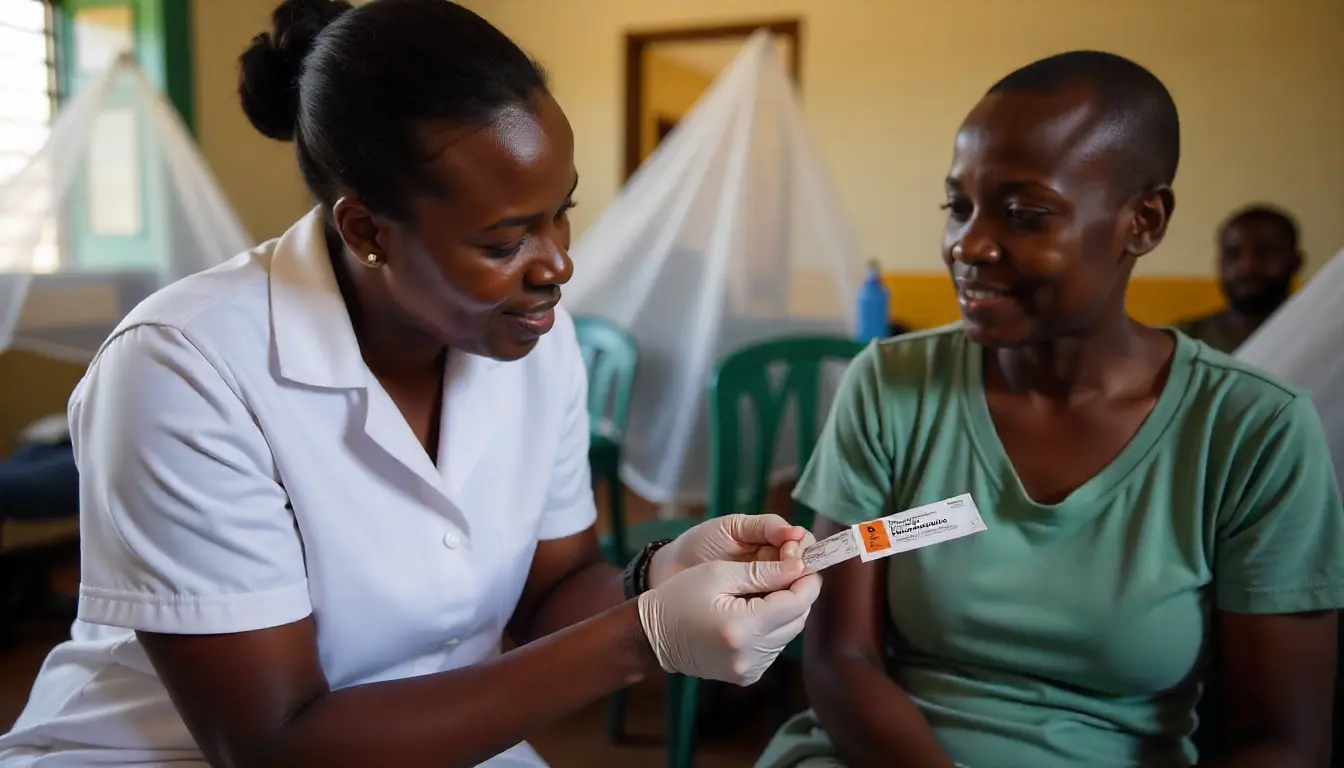
- Chemoprophylaxis for Travelers: For those traveling to endemic areas in Kenya, common drug options for prophylaxis (preventive medication) include:
- Atovaquone-Proguanil (e.g., Malanil)
- Doxycycline
- Mefloquine
3. New Tools and Strategies
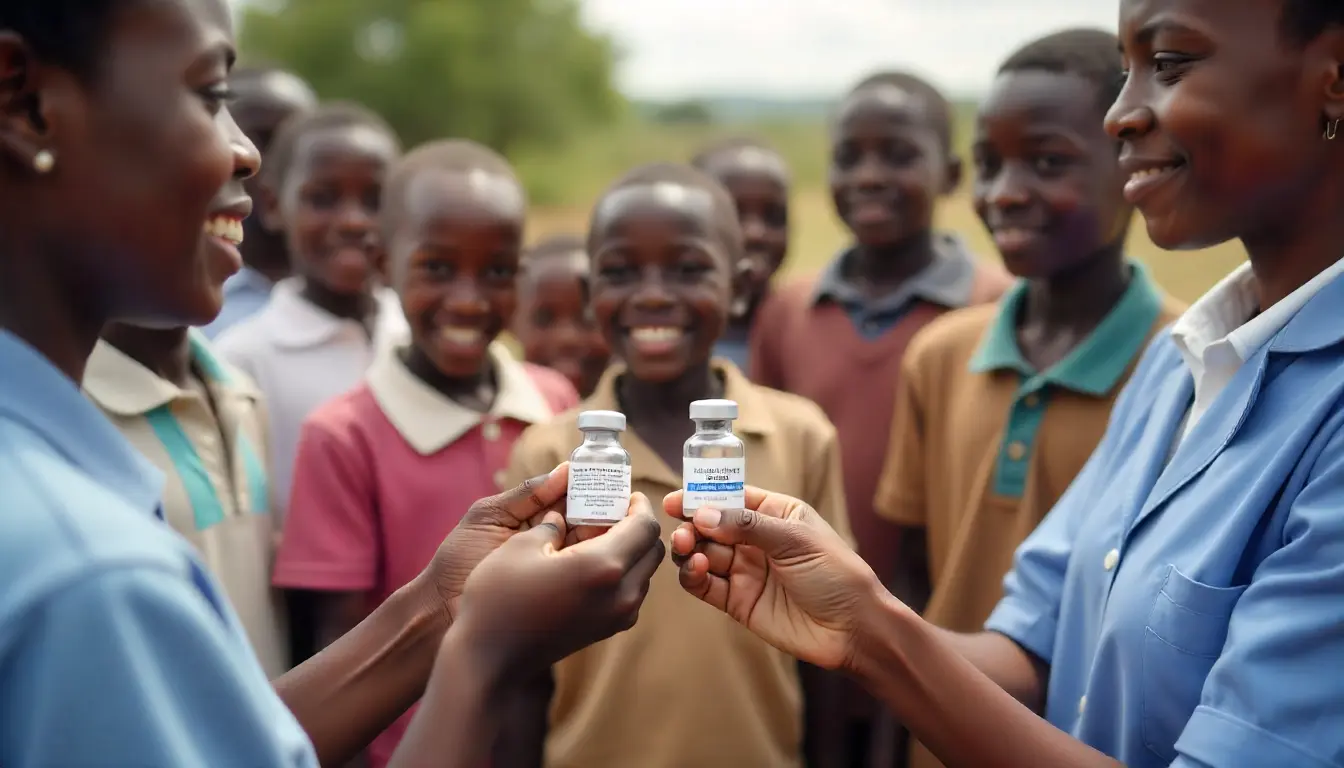
- Malaria Vaccines: The latest WHO guidelines include updated recommendations for the malaria vaccine (RTS,S), which Kenya has adopted for targeted rollout in high-risk areas, marking a significant new tool in prevention.
- Ivermectin: Recent research in Kenya and other African countries has shown that mass drug administration (MDA) of Ivermectin may be a valuable complementary strategy, as it kills mosquitoes that feed on treated individuals, thereby reducing transmission.
- Primaquine and Tafenoquine: The WHO's latest updates provide new guidance on the use of these drugs for anti-relapse treatment of P. vivax and P. ovale malaria, which is guided by the use of new near-patient G6PD deficiency tests.