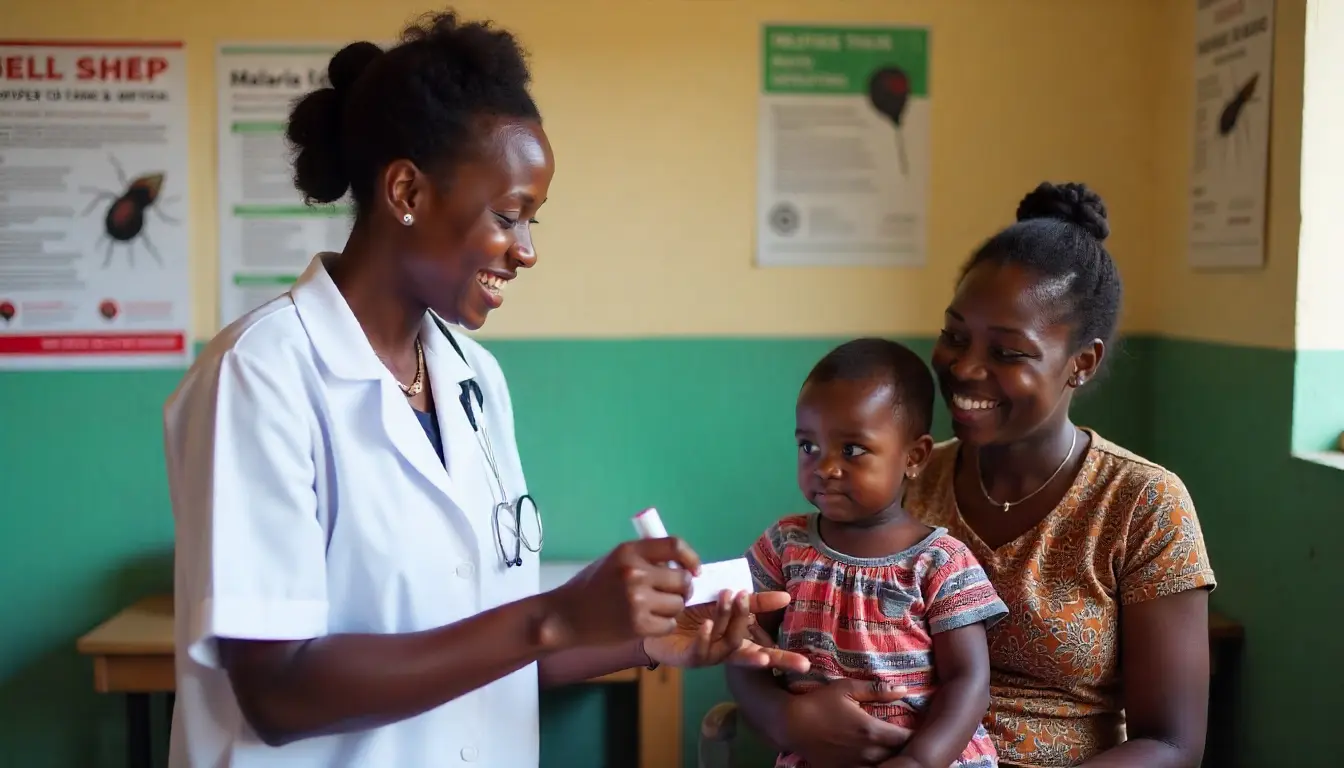

Many Kenyans face tough choices when it comes to buying medication — should you pay more for a popular brand, or trust a cheaper generic? In Kenya’s growing pharmaceutical market, understanding the difference between brand-name and generic drugs can help patients, pharmacies, and healthcare providers make smarter, more cost-effective decisions.
Navigating the pharmacy can often feel like choosing between a well-known, expensive brand and an unfamiliar, cheaper alternative. In Kenya, where out-of-pocket medical costs are significant, this choice between generic and brand-name drugs is critical for both your wallet and your well-being.
The short answer is that generic drugs are a safe, effective, and significantly more affordable option for most Kenyans, provided they are sourced from a registered and reputable pharmacy.
🔬 The Core Difference: Ingredients vs. Marketing
The key difference between a generic drug and a brand-name drug is not the active ingredient that treats your condition, but everything else—the price, the name, and the journey to the shelf.
|
Feature |
Brand Name (Innovator) Drug |
Generic Drug |
|
Active Ingredient |
The original formulation. |
Identical to the brand name drug. |
|
Safety & Efficacy |
Proven via extensive clinical trials. |
Must be proven bioequivalent to the brand name drug (works the same way in the body). |
|
Cost |
Significantly higher (often 30–85% more expensive). |
Substantially lower. |
|
Manufacturing Cost |
Includes the cost of research, development, and marketing. |
Excludes R&D costs; is cheaper due to market competition. |
|
Availability |
Only available after the company receives a patent. |
Available only after the original patent expires. |
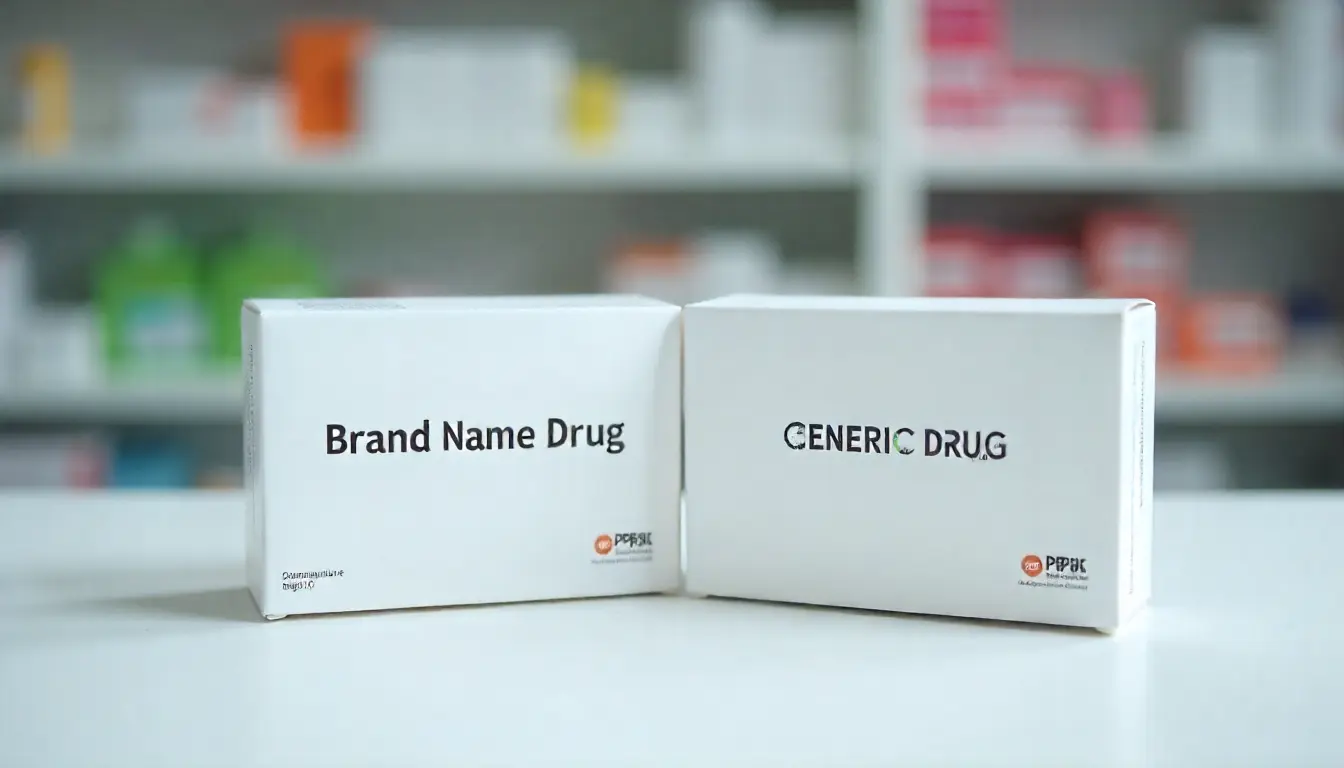
What does 'Bioequivalent' mean?
In Kenya, the Pharmacy and Poisons Board (PPB) ensures that a generic medicine is bioequivalent to its brand-name counterpart. This means the generic drug must deliver the same amount of active ingredient to the bloodstream in the same amount of time.
Essentially, a government-approved generic drug is a chemical copy that works the same way and provides the same clinical benefit as the brand.
💰 The Budget Factor: Why Generics are Essential in Kenya
The most compelling argument for generic drugs in Kenya is affordability and access.
- Massive Cost Savings: Generic medicines are typically 30% to 85% cheaper than their branded counterparts. By opting for a generic version, you can reduce the cost of your medication, which improves treatment adherence—you're more likely to finish your full course of medicine when you can afford it.
- Healthcare Access: With drug expenditure making up a large percentage of out-of-pocket medical costs, generic drugs are vital for increasing access to essential medicines for the majority of Kenyans.
- Low Uptake: Despite the massive cost-saving benefits, the uptake of generic drugs in Kenya remains low (around 30%), often due to a misperception of lower quality compared to the global average.
🛡️ Addressing the Quality Concern
The primary concern among patients and even some healthcare providers is that lower cost equals lower quality. This is a misconception that the PPB actively works to disprove.
The PPB mandates that all medicines, both generic and branded, imported or locally manufactured, must meet the highest quality, safety, and effectiveness standards. The PPB uses processes like:
- Strict Registration: Requiring rigorous testing and dossier submission for all drugs before approval.
- Post-Marketing Surveillance (PMS): Continuously monitoring the quality and safety of medicines once they are on the market.
Generics and counterfeits are not the same. You should never confuse a generic (a legal, approved copy) with a counterfeit (an illegally manufactured fake that may contain incorrect or no active ingredients). Buying from a licensed and registered pharmacy is your best defense against counterfeits.

✅ Making the Right Choice for You
Choosing between generic and brand-name should be a consultative decision made with a trusted healthcare professional.
Who Should Choose Generic?
- The Budget-Conscious Patient: If affordability is your main concern, a generic drug is the best choice for almost all standard medications.
- Patients with Chronic Conditions: For long-term medication use, the cumulative savings from generic substitution can significantly ease financial strain.
When Might a Brand-Name Be Considered?
- Narrow Therapeutic Index (NTI) Drugs: These are medicines where a very small difference in the amount of drug absorbed can have a major clinical effect (e.g., some anti-seizure, heart, or blood-thinning medicines). In these critical cases, some doctors may recommend sticking to the brand for consistency, though generics are still regulated to be bioequivalent.
- Adverse Reactions: If you've had a bad reaction or felt the generic was less effective, consult your doctor or pharmacist. Differences in inactive ingredients (like binders, fillers, or colours) in generics can sometimes cause a minor issue or allergy for a small number of people.
- Non-Availability: Sometimes a generic alternative simply doesn't exist for a newer drug.
🔑 Your Action Plan: Discussing Substitution
Under the Kenyan National Pharmaceutical Policy, pharmacists are encouraged to practice generic substitution. This means a pharmacist may offer you a generic alternative to a brand-name drug your doctor prescribed.
Remember these steps:
- Ask for the Generic Name: Encourage your doctor to prescribe by the generic/chemical name of the drug (e.g., Paracetamol instead of Panadol).
- Consult Your Pharmacist: Before dispensing, a pharmacist is obligated to inform you of the benefits of generic substitution and ensure you give your full understanding and consent.
- Prioritize Licensed Facilities: Always purchase your medications from a pharmacy or chemist that is licensed and registered by the Pharmacy and Poisons Board to ensure you are receiving an authentic, quality-assured product.
At Elexia Pharma, we believe access to safe and affordable medicines shouldn’t be a privilege. Whether you need quality-assured generics or branded pharmaceuticals, our distribution network ensures consistent supply across Kenya. Contact us today to learn more about our range of trusted products.