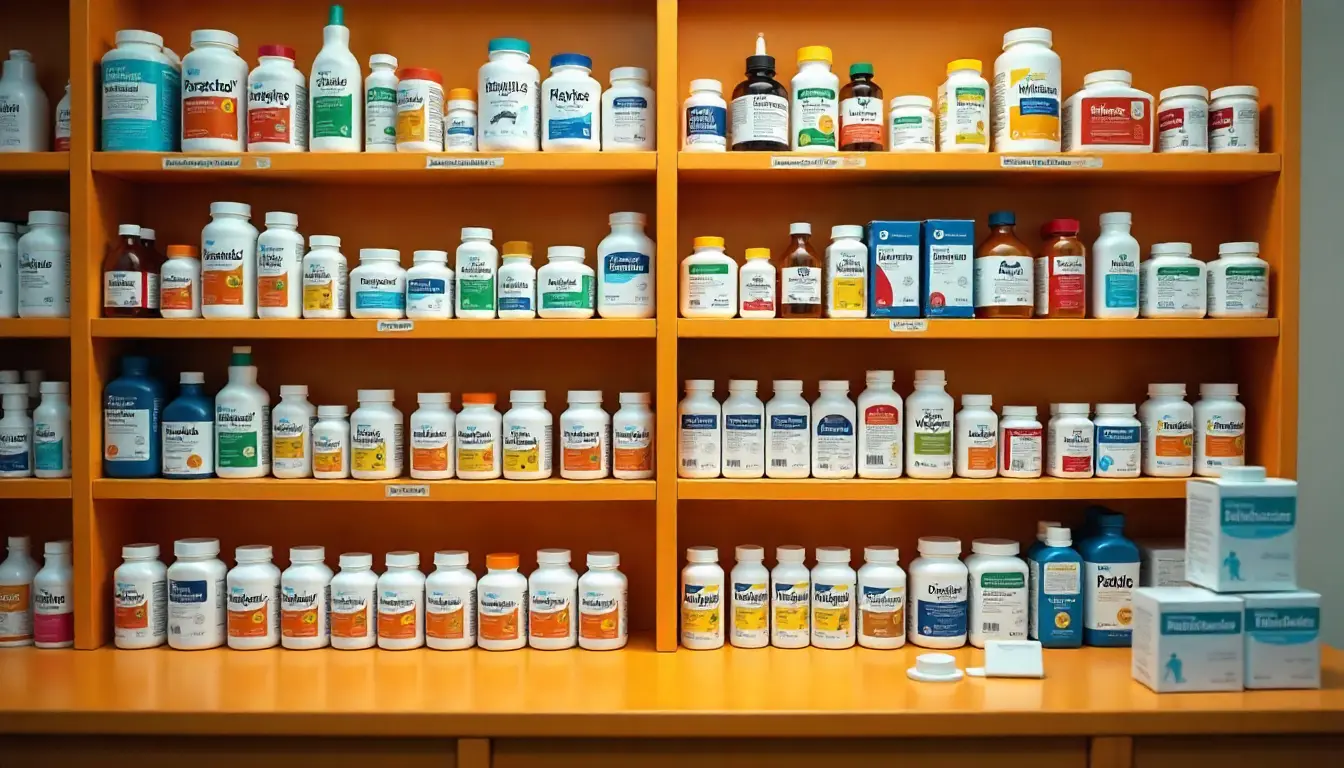

In Kenya, pharmacies are almost like mini-supermarkets. You walk in for paracetamol and somehow leave with vitamin C, cough syrup, and a packet of chewing gum because “why not.” Over-the-counter (OTC) medicines are those you can buy without a doctor’s prescription, but here’s the thing: just because you don’t need a prescription doesn’t mean you should pop them like popcorn at the movies.
This beginner’s guide will walk you through what you should know before buying OTC medicines, with a dose of humor to make sure you don’t fall asleep like it’s a boring lecture.
1. Paracetamol – Kenya’s National Medicine
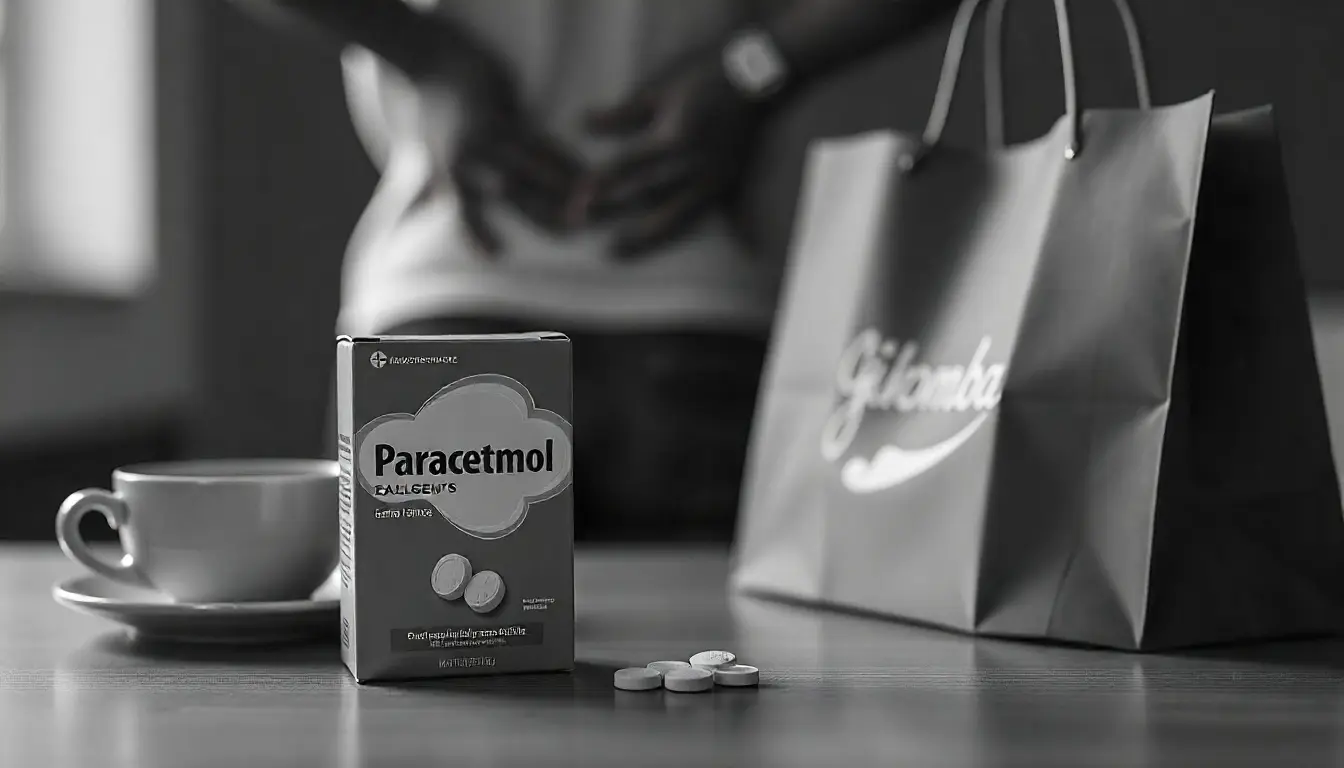
Paracetamol is the Beyoncé of OTC medicines. Headache? Paracetamol. Fever? Paracetamol. Your back hurts after carrying shopping from Gikomba? You guessed it, paracetamol.
What You Should Know:
- Stick to the dosage. Taking ten tablets at once won’t make the pain go away faster, it will just make your liver very angry.
- Do not mix with alcohol. Trust me, your liver deserves better.
2. Antacids – The Chapati and Beans Damage Control

You know that feeling after eating chapati, beans, and soda at the same time? That’s when antacids become your best friend. They neutralize stomach acid and give you relief.
What You Should Know:
- Antacids are for occasional use, not daily like your morning tea.
- If you’re popping them every day, maybe see a doctor instead of pretending your stomach is “just dramatic.”
3. Cough Syrups – Sweet, But Handle with Care

Kenyan parents swear by cough syrups. To them, it is the solution for everything from a dry cough to your noisy sibling. They come in different types for dry coughs or chesty coughs.
What You Should Know:
- Always read the label. Some syrups make you sleepy, so don’t take them before a road trip or during that long lecture.
- Never share your cough syrup with everyone in the household like its juice.
4. Pain Relief Gels and Balms – For When Muscles Betray You

If you’ve ever played football after months of not exercising, you know the pain the next day. That’s when pain relief gels or balms come to the rescue.
What You Should Know:
- Apply on the skin, not in the mouth. Yes, people have tried.
- Wash your hands after use, unless you enjoy accidentally rubbing your eyes and crying like you just watched a sad movie.
5. Multivitamins – The “Just in Case” Pills

Many Kenyans take multivitamins with the same energy they take tea in the morning. They’re seen as a magic pill for energy, glowing skin, and preventing colds.
What You Should Know:
- Multivitamins are helpful, but they do not replace a balanced diet. You cannot eat chips every day and expect a vitamin to cancel it out.
- Always check the dosage, more is not always better.
Final Word
Over-the-counter medicines are lifesavers when used correctly, but they’re not magic bullets. Read labels, respect dosages, and don’t self-medicate forever. If symptoms keep hanging around like that one guest who never leaves the party, it’s time to visit a doctor.
So, the next time you're at the pharmacy and tempted to buy a dozen random medicines “just in case,” remember this guide. OTC medicines are powerful tools for managing your health, but they require a little respect. Think of them as your health squad—they're great for a quick fix, but for the serious stuff, you call in the pros. And remember, your Elexia Pharma pharmacist is always a friendly pro, ready to help, not to judge you for asking if Gripe Water works for adults too.